
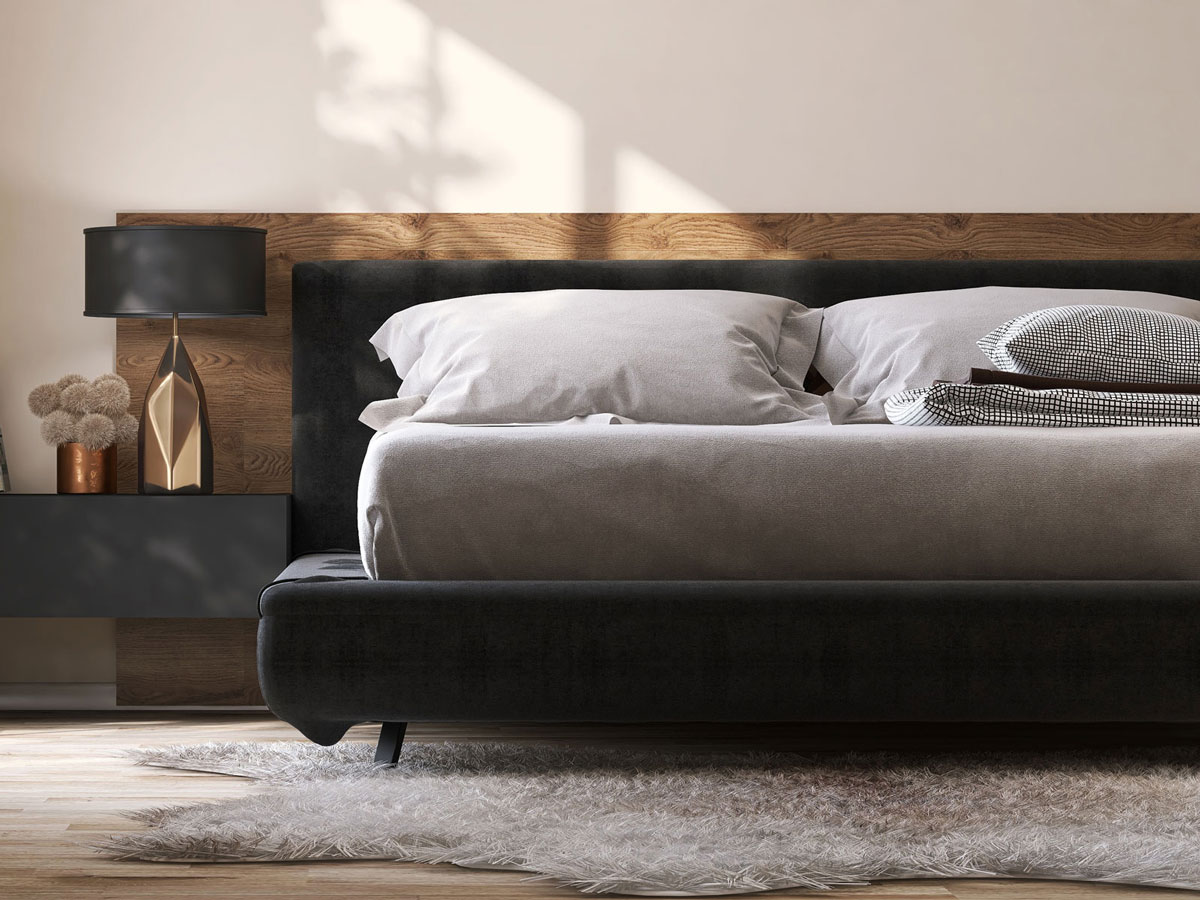


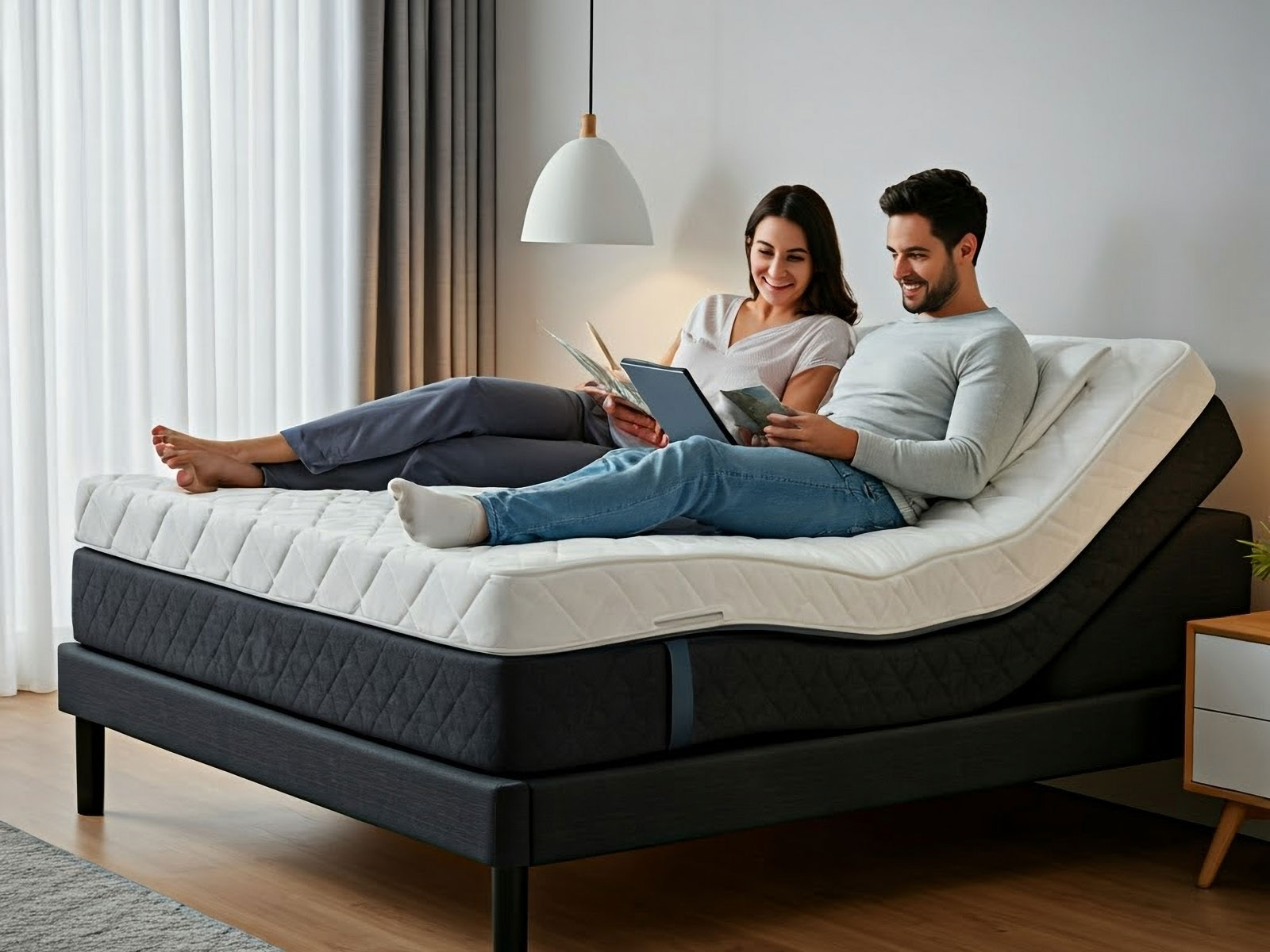
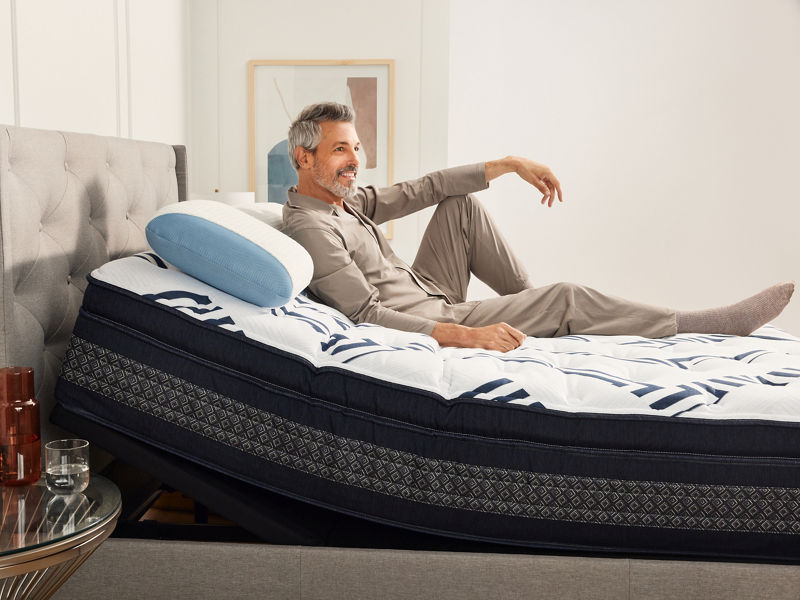

Foam mattresses contour and cushion your body for pressure relief, while spring mattresses offer bounce, breathability, and edge support.
- Choose foam if you want pain relief or motion isolation.
- Choose Spring if you prefer a cooler, firmer, and more traditional feel.
Choosing the right mattress can make or break your sleep—and your back. With a plethora of options available, two of the most popular choices are foam and spring mattresses. Each type has its unique characteristics, benefits, and drawbacks, making it essential to understand their differences before making a purchase. In this article, we’ll compare foam and spring mattresses side by side, helping you determine which option is best suited for your sleeping needs.
Quick Comparison Table
| Feature | Foam Mattress | Spring Mattress |
| Comfort | Soft, contouring | Bouncy, responsive |
| Support | Even pressure distribution | Strong edge and core support |
| Durability | 7–10 years | 5–8 years |
| Motion Transfer | Minimal | Moderate to high |
| Ideal For | Side/back sleepers | Combination/sleeper couples |
| Price Range | $$ | $–$$ |
This table provides a quick overview of the key differences between foam and spring mattresses, enhancing readability and user experience.
For more insights on mattress lifespan, check out How Often Should I Buy a Mattress?
What Is a Foam Mattress?
Foam mattresses are constructed from various types of foam, including memory foam, polyfoam, and latex. Unlike traditional mattresses that rely on coils for support, foam mattresses utilize layers of foam to provide comfort and stability. Memory foam, in particular, is known for its ability to conform to the body, offering a personalized sleeping experience.
Learn more about Gel Memory Foam vs Memory Foam for Pillows.
How It Works
Foam mattresses work by using body heat to soften the material, allowing it to mold to the sleeper's shape. This contouring effect helps distribute weight evenly, reducing pressure points and enhancing comfort. The layers of foam can vary in density, providing different levels of support and firmness.
Pros and Cons
Pros:
- Excellent pressure relief, making them ideal for those with joint pain.
- Minimal motion transfer, which is beneficial for couples.
- Generally quieter than spring mattresses, providing a peaceful sleep environment.
Cons:
- Some foam mattresses can retain heat, leading to discomfort for hot sleepers.
- They may feel too soft for individuals who prefer a firmer sleeping surface.
Best For
Side sleepers, couples, and those with back or joint pain. For a detailed mattress guide, visit Finding Your Perfect Fit: A Guide to Choosing the Right Kingsdown Mattress.
What Is a Spring Mattress?
Spring mattresses, also known as innerspring mattresses, utilize a system of metal coils to provide support. These coils are often encased in layers of padding or foam to enhance comfort. The design of spring mattresses has evolved significantly over the years, with various coil types available to cater to different preferences.
Curious about bed frames? Check out Why Are Some Bed Frames Not Compatible with Adjustable Beds?.
Types of Spring Mattresses
- Bonnell Coils: These are hourglass-shaped coils that are interconnected, providing a traditional feel but less motion isolation.
- Pocket Springs: Each coil is individually wrapped, allowing for independent movement and better contouring to the body.
- Continuous Coils: Made from a single wire twisted into coils, these mattresses offer durability and support.
Pros and Cons
Pros:
- Better airflow due to the space between coils, which helps regulate temperature.
- A bouncy, responsive feel that many sleepers enjoy.
- Generally offers better edge support, making it easier to get in and out of bed.
Cons:
- Can be noisy, especially as the coils age.
- May provide uneven pressure distribution, leading to discomfort for some sleepers.
- Typically have a shorter lifespan compared to foam mattresses.
Best For
Stomach sleepers, heavier individuals, and fans of firmer beds.
For mattress replacement tips, see What Are the Signs You Need a New Mattress?.
Foam vs Spring: Key Differences Explained
Comfort & Feel
Foam mattresses offer a cradling sensation that envelops the body, providing a "hugged" feeling. This can be particularly comforting for those who prefer a softer sleeping surface. In contrast, spring mattresses deliver a firmer, bouncier feel, which can be more appealing to individuals who enjoy a traditional mattress experience.
Support & Spinal Alignment
Foam mattresses excel in adapting to the sleeper's shape, promoting proper spinal alignment and alleviating pressure points. This makes them ideal for individuals with back pain. On the other hand, spring mattresses provide more lift, which can be beneficial for back sleepers but may create pressure points for side sleepers.
Temperature Regulation
Foam mattresses, especially traditional memory foam, tend to trap heat, which can be uncomfortable for some sleepers. However, newer models often incorporate cooling technologies, such as gel-infused foam or open-cell structures, to enhance breathability. Spring mattresses, with their open design, generally offer better airflow, resulting in a cooler sleep surface.
Motion Isolation
When it comes to motion isolation, foam mattresses are the clear winner. They absorb movement, making them ideal for couples who may disturb each other during the night. Spring mattresses, particularly those with interconnected coils, can transfer motion, which may disrupt sleep for sensitive individuals.
Durability
Foam mattresses generally outlast spring models, but each type has its own maintenance and wear considerations.
| Type | Typical Lifespan | Notes |
| Foam | 7–10 years | May sag if low density |
| Spring | 5–8 years | Coils can weaken or squeak |
Pro Tip: Rotate your mattress every 3–6 months to distribute pressure evenly and extend its lifespan. For more mattress care tips, see Is It Ok to Have a Mattress for 20 Years?.
Price & Value
In terms of cost, foam mattresses generally fall within a mid-range price bracket, while spring mattresses offer a wider range, from budget-friendly options to luxury models. The price often reflects the quality of materials and construction, so it's essential to consider your budget and preferences.
Which Mattress Is Better for You?
By Sleeping Position
Finding the right mattress often starts with how you sleep. Here’s a quick reference table to help you match your sleep position with the ideal mattress type:
| Position | Recommended Type | Why |
| Side | Foam or hybrid | Pressure relief for shoulders/hips |
| Back | Medium-firm foam or pocket spring | Supports spinal alignment |
| Stomach | Firm spring | Prevents hip sinkage |
- Side Sleepers: Foam or hybrid mattresses are recommended for their ability to contour to the body's curves and relieve pressure on the shoulders and hips.
- Back Sleepers: A medium-firm foam mattress or a pocket spring mattress can provide the necessary support for spinal alignment.
- Stomach Sleepers: Firmer spring mattresses are often preferred to prevent the hips from sinking too deeply, which can lead to back pain.
By Body Type
Heavier individuals may benefit from spring or hybrid mattresses, as they often provide additional support and durability. Lighter sleepers might find foam mattresses more comfortable due to their contouring properties.
By Sleep Needs
Consider your specific sleep needs when choosing between foam and spring mattresses. If motion isolation is a priority, foam is the better option. For those who prefer a cooler sleep surface, spring mattresses may be more suitable.
Hybrid Mattresses: The Best of Both Worlds
Hybrid mattresses combine the benefits of both foam and spring mattresses, featuring an innerspring base topped with layers of foam. This design offers a balanced sleeping experience, providing both support and contouring comfort. Hybrids are an excellent choice for those who appreciate the bounce of springs but also want the pressure relief that foam provides.
Benefits of Hybrid Mattresses
- Balanced Comfort: Hybrids offer the best of both worlds, catering to a variety of sleeping preferences.
- Support: The combination of coils and foam ensures proper spinal alignment and support.
- Cooling Properties: Many hybrid models incorporate cooling technologies, making them suitable for hot sleepers.
When to Consider a Hybrid Mattress
If you find yourself torn between foam and spring mattresses, a hybrid may be the perfect solution. They are particularly beneficial for couples with differing sleep preferences or individuals transitioning from one type to another.
Expert Recommendations
Sleep experts often emphasize the importance of choosing a mattress that aligns with your sleeping posture and personal comfort preferences. A well-chosen mattress can significantly impact your sleep quality and overall health. For those experiencing back pain, a mattress that provides adequate support and pressure relief is crucial.
Conclusion
In summary, foam mattresses offer comfort and contouring, while spring mattresses provide bounce and airflow. Your choice ultimately depends on your sleeping position, body type, and personal preferences. It’s essential to try out different mattresses before making a decision to ensure you find the perfect fit for your needs.
Looking for personalized recommendations? Check out our general mattress buying guide.
FAQ Section
Q1: Is foam or spring mattress better for back pain?
Foam mattresses are often recommended for back pain due to their ability to conform to the body and provide targeted support. However, higher-end spring mattresses with pocket coils can also offer adequate support.
Q2: Which lasts longer—foam or spring mattress?
Foam mattresses generally last longer, with a lifespan of 7 to 10 years, while spring mattresses typically last around 5 to 8 years.
Q3: Do foam mattresses get hot?
Traditional foam mattresses can retain heat, but many modern models incorporate cooling technologies to enhance breathability.
Q4: Are hybrid mattresses worth it?
Hybrid mattresses can be an excellent investment for those seeking a balance of support and comfort, making them suitable for a wide range of sleepers.
Q5: What’s the best mattress for couples?
Foam mattresses are ideal for couples due to their motion isolation properties, while hybrid mattresses can also be a great choice for those who want a mix of support and comfort.